Dark Chocolate: Health Benefits, Cocoa % & Origins
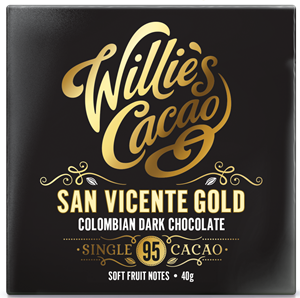
Often viewed as an acquired taste, dark chocolate is having a major moment. As palates become more sophisticated, people are moving away from overly sweet milk chocolate and discovering the complex, intense world of high-percentage cocoa. But there is far more to dark chocolate than just a bitter bite. Let’s take a deep dive into what makes dark chocolate so special.
1. Decoding the Cocoa Percentage
When you see a bar labelled "70% dark chocolate", that number refers to the proportion of the bar that comes directly from the cocoa bean (a combination of cocoa solids and cocoa butter). The remaining 30% is primarily sugar, alongside a tiny amount of emulsifiers like soy lecithin.
- 70%: The perfect entry point. It is dark enough to offer a rich cocoa flavour, but retains just enough sweetness to be highly palatable.
- 85%: For the seasoned pro. The sugar is barely detectable, allowing the true, intense flavour of the bean to shine through. It often has a dry, chalky mouthfeel.
- 100%: Completely unsweetened and highly astringent. Usually reserved for baking or creating savoury dishes like rich sauces for game meats.
2. The Impressive Health Benefits
Dark chocolate is packed with powerful plant compounds. It is rich in flavonoids—specifically epicatechin—which are antioxidants that help protect your cells from damage. Studies have shown that consuming high-flavonoid dark chocolate can help lower blood pressure, improve blood flow to the brain, and raise HDL (the "good") cholesterol. Furthermore, it is a brilliant source of essential minerals such as iron, magnesium, and copper. Just remember: the darker the chocolate, the higher the benefits, but the higher the fat content, so enjoy it in moderation.
3. The Magic of Single-Origin Chocolate
Just like wine or coffee, chocolate has a "terroir"—a unique flavour profile based on where the cocoa beans are grown. The soil, climate, and fermentation process all drastically affect the final taste.
- Madagascar: Famous for producing beans with bright, zesty notes of citrus and red berries.
- Ecuador: Often yields a complex, floral, and earthy flavour profile, sometimes with a hint of spice.
- Ghana: Typically produces a classic, robust, and deeply earthy chocolate flavour with a rich tobacco finish.
4. The Art of Tasting Dark Chocolate
Dark chocolate is not meant to be guzzled; it should be savoured. To taste it properly, never put it straight into your mouth and chew it rapidly. Instead, break off a piece and place it on your tongue. Allow your body heat to slowly melt it. This will release the complex aroma and allow the cocoa butter to coat your palate, revealing the nuanced flavour notes that are completely missed when you chew.
Conclusion: Whether you are drawn to the health benefits of dark chocolate or its complex flavour profiles, exploring high-percentage cocoa is a culinary adventure. Next time you reach for a bar, check the percentage and the origin—your taste buds are in for a treat!
Leave a Comment
Comments
No comments yet. Be the first to comment!